




















AI Tools Revolution 2025: How Artificial Intelligence is Transforming Our LivesAI Tools Revolution 2025: How Artificial Intelligence is Transforming Our LivesAI Tools Revolution 2025 – Kaise Artificial Intelligence Badal Raha Hai Hamari Zindagi
Discover how AI tools are revolutionizing daily life in 2025. Explore artificial intelligence trends, generative AI applications, and their impact on productivity, education, and the future of work.2025 mein AI tools kaise hamari daily life ko transform kar rahe hain. Artificial Intelligence ke latest trends, applications, aur future impact ke baare mein comprehensive guide.
AI Tools Revolution 2025: How Artificial Intelligence is Transforming Our Lives
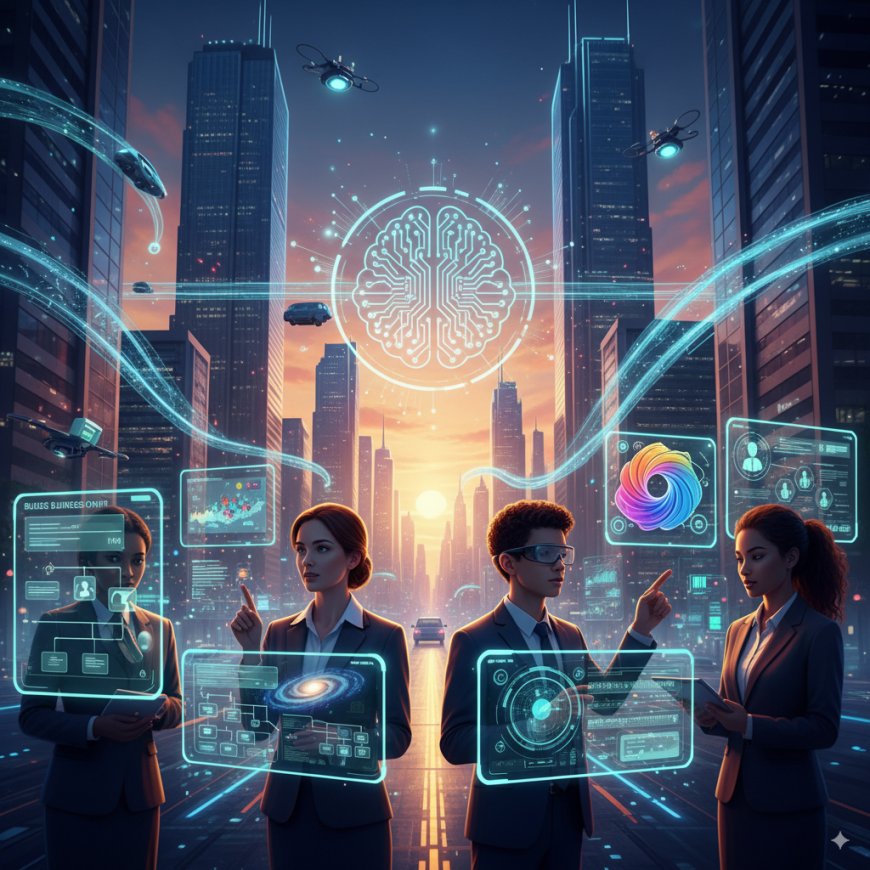
In 2025, we are living in an era where artificial intelligence has become an integral part of our daily existence. From advanced chatbots to sophisticated automation systems, AI tools are revolutionizing how we work, communicate, and live. This comprehensive guide explores the current state of AI technology and its profound impact on modern society.
The Current AI Landscape
The artificial intelligence revolution is no longer confined to tech giants or research laboratories. AI tools have become democratized, accessible to small businesses, students, content creators, and professionals across all industries. Platforms like ChatGPT, Claude, Google Bard, and Midjourney have transformed creative and professional workflows, making advanced AI capabilities available to everyone.
This accessibility represents a fundamental shift in technology trends. What once required specialized knowledge and expensive infrastructure can now be accessed through simple web interfaces, mobile apps, and affordable software solutions.
Transforming Productivity Across Industries
1. Content Creation and Digital Marketing
Generative AI has revolutionized content creation, offering unprecedented productivity gains. Writers, marketers, and content creators now use AI tools for brainstorming, drafting, editing, and optimizing content. These tools can generate blog posts, social media captions, product descriptions, and even video scripts in seconds.
AI-powered writing assistants provide real-time grammar checking, tone adjustment, and SEO optimization, enabling creators to produce higher-quality content more efficiently. The integration of AI in content management systems has streamlined editorial workflows and improved content personalization.
2. Business Automation and Customer Service
Small and medium enterprises are leveraging AI tools to automate routine tasks and improve customer experiences. AI chatbots now handle customer inquiries 24/7, providing instant responses to common questions and escalating complex issues to human agents when necessary.
Email automation, appointment scheduling, and lead qualification processes have been transformed by AI tools, allowing businesses to operate more efficiently with smaller teams. This automation is particularly valuable in the evolving future of work, where remote operations and digital-first approaches dominate.
3. Education and Learning Enhancement
The education sector has embraced AI tools to create personalized learning experiences. Students benefit from AI tutors that provide instant feedback, explain complex concepts, and adapt to individual learning styles. Language learning platforms use AI to create conversational practice sessions, while research tools help students find and synthesize information more effectively.
Educational institutions are implementing adaptive learning algorithms that customize course content based on student performance and preferences, making education more inclusive and effective.
Emerging AI Tool Categories
Communication and Language Tools
Real-time translation services, voice assistants, and smart keyboards have eliminated language barriers, enabling global collaboration and communication. These tools support multiple languages and dialects, making international business and cross-cultural communication seamless.
Creative and Design Applications
AI tools for graphic design, video editing, music composition, and digital art creation have democratized creative industries. Platforms like Canva AI, Adobe's AI features, and specialized design tools enable non-designers to create professional-quality visual content.
Productivity and Project Management
Smart calendars that automatically schedule meetings, AI-powered project management tools that predict timelines and resource needs, and email assistants that prioritize messages have transformed workplace productivity.
Future Implications and Technology Trends
Looking beyond 2025, artificial intelligence will become even more sophisticated and integrated into our daily lives. Machine learning algorithms are continuously improving, enabling more personalized and contextual experiences. The convergence of AI with other technologies like augmented reality, Internet of Things, and blockchain will create new possibilities for innovation.
The future of work is being reshaped by AI tools, with new job categories emerging while others evolve or become obsolete. Organizations that adapt to these changes and invest in AI literacy will gain competitive advantages in the marketplace.
Addressing Challenges and Considerations
While AI tools offer tremendous benefits, they also present challenges that society must address. Privacy concerns, ethical considerations around AI-generated content, and the potential for job displacement require careful consideration and proactive solutions.
Responsible AI adoption involves understanding the limitations of current technology, maintaining human oversight, and ensuring that AI tools augment rather than replace human creativity and judgment. Organizations and individuals must balance efficiency gains with ethical considerations and social responsibility.
Preparing for the AI-Driven Future
To thrive in an AI-enhanced world, individuals and organizations must develop AI literacy and adapt their skills accordingly. This includes understanding how to effectively prompt AI systems, critically evaluate AI-generated content, and integrate AI tools into existing workflows.
Continuous learning and adaptation are essential as AI tools evolve rapidly. Those who embrace these technologies while maintaining human-centered approaches will be best positioned to succeed in the changing landscape.
Conclusion
The AI Tools Revolution of 2025 represents more than a technological trend—it's a fundamental transformation of how we approach work, creativity, and problem-solving. By embracing artificial intelligence while maintaining focus on human values and ethical considerations, we can harness the full potential of these powerful tools.
The key to success lies in finding the right balance between AI efficiency and human creativity, ensuring that technology serves to enhance rather than replace human capabilities. As we continue to integrate AI tools into our daily lives, we must remain mindful of their impact on society and work toward a future where technology benefits everyone.
The future belongs to those who can effectively collaborate with AI tools while preserving the uniquely human qualities of creativity, empathy, and critical thinking.
What's Your Reaction?